
Short answer: You often need a permit for a kitchen or bathroom remodel in Wisconsin or Michigan when the project changes plumbing, electrical, mechanical ventilation, framing, walls, windows, structural openings, room layout, or the number of fixtures. A simple cosmetic update - paint, cabinet hardware, mirror replacement, or some like-for-like finish work - may not need a building permit, but the answer depends on the exact scope and the local enforcing agency. If you are asking, "do I need a permit for bathroom remodel Wisconsin?", the safest practical answer is: check the city, township, county, or state authority before work starts, and make sure the written scope says who is responsible for each permit and inspection.
Kitchen and bathroom remodels are small projects only on paper. Inside the walls, they can involve water supply, sanitary drainage, GFCI-protected electrical work, exhaust fans, duct routes, structural changes, insulation, fireblocking, old wiring, old plumbing, lead-safe work in pre-1978 homes, and sometimes septic or shoreland questions. That is especially true in Northern Wisconsin, the western Upper Peninsula, Western Michigan, lake homes, cabins, rentals, and older houses where previous work may have been done in layers. This guide explains the practical difference between cosmetic updates and permit-triggering work. It is not legal advice, and it does not replace your local building department. It is a homeowner planning guide so you can ask better questions before signing a kitchen or bathroom remodeling contract.
Quick Permit Answer: Cosmetic Update or Regulated Remodel?
The simplest way to think about permits is not by room name. It is by what the work changes.
A cabinet swap in the same location is not the same project as moving a sink. Replacing a vanity light fixture is not the same as adding new circuits. Installing a premade vanity in the same footprint is not the same as removing a wall between the kitchen and dining room. Replacing a toilet without altering the drain, vent, or water distribution can be different from relocating a toilet across the bathroom.
Use this table as a planning screen, not as a final permit ruling.
| Project scope | Permit likelihood | Why it matters |
|---|---|---|
| Painting, basic hardware, mirror replacement | Often no building permit | Usually cosmetic and not changing systems |
| Flooring replacement only | Often no building permit, but verify | Pure finish work may be treated differently from subfloor repair or structural work |
| Cabinet replacement in the same footprint | Sometimes no building permit | Madison, for example, says only adding or replacing wall-mounted cabinets does not require a permit, but more extensive work may |
| New cabinets plus sink relocation | Often yes | Plumbing, drains, vents, and possibly electrical are involved |
| Bathroom alteration | Often yes | Madison lists bathroom alterations as permit work through Building Inspection |
| Tub-to-shower conversion | Often yes | Plumbing, drain, waterproofing, fan/electrical, and inspections may be involved |
| Adding outlets, lighting, circuits, GFCI, fan controls | Often yes | Electrical permits or licensed electrical work may be required |
| New or modified bath fan / kitchen exhaust | Often yes or maybe mechanical/electrical | Ventilation routes, exterior termination, and electrical controls matter |
| Moving walls or removing load-bearing wall | Yes | Structural safety, plans, beams, inspections, and sometimes engineering |
| Adding a bathroom, laundry, or kitchen | Yes | Plumbing, electrical, mechanical, building, septic/sewer, and sometimes zoning |
| Rental property remodel | Often stricter | Some local rules limit owner-performed work or require licensed contractors |
| Work near a lake, shoreline, or septic system | May require extra review | Shoreland, ordinary high water mark, wastewater, and county/town rules may apply |
The best early question is not "Can I avoid a permit?" The better question is: which parts of this remodel need to be inspected before they are hidden behind tile, cabinets, drywall, or flooring?
Wisconsin vs. Michigan Permit Basics
Wisconsin and Michigan both use permits and inspections to protect health, safety, and code compliance, but the path is not identical. The state sets important code and licensing frameworks, while local municipalities, townships, counties, delegated agencies, or state inspectors may handle enforcement depending on the location and project.
Wisconsin kitchen and bathroom remodel permit basics
Wisconsin DSPS describes the Uniform Dwelling Code as the statewide building code for one- and two-family dwellings built since June 1, 1980, and states that the UDC is enforced in all Wisconsin municipalities. Wisconsin DSPS Uniform Dwelling Code
That does not mean every kitchen or bathroom finish change needs the same permit. It means the project should be checked against the relevant building, plumbing, electrical, HVAC/mechanical, zoning, and local rules.
Useful Wisconsin permit realities:
- Your local municipality or delegated inspector may issue and inspect permits.
- A remodel can require more than one permit type: building, plumbing, electrical, HVAC/mechanical, or zoning.
- The Wisconsin Uniform Building Permit form includes permit categories such as construction, HVAC, electrical, and plumbing. Wisconsin Uniform Building Permit Application
- Wisconsin DSPS provides plumbing resources and private onsite wastewater treatment system resources, which can matter when a cabin, lake home, or rural property adds fixtures or changes wastewater demand. Wisconsin DSPS Plumbing Wisconsin DSPS POWTS
- DSPS electrical contractor guidance states that licensed electrical contractors must use appropriately licensed or registered individuals for electrical wiring work. Wisconsin DSPS Electrical Contractor
- The DSPS online building permit system notes that contractors must possess appropriate DSPS contractor credentials and use appropriately credentialed subcontractors. Wisconsin DSPS Online Building Permit System
Local examples show why you cannot rely on a one-line answer. Madison says only adding or replacing wall-mounted cabinets does not require a permit, while bathroom alterations are listed as permit work. City of Madison Permits Milwaukee states that if a bathroom or kitchen is installed, plumbing permits are needed, and electrical permits are required if the project involves electrical work. City of Milwaukee Remodeling Projects
For a kitchen remodel permit in Wisconsin, the important question is usually whether you are only replacing finishes or whether you are touching plumbing, wiring, ventilation, structure, windows, exterior openings, or layout. For a bathroom remodel permit in Wisconsin, the important question is whether you are rebuilding the wet room, changing fixtures, altering plumbing, changing electrical, or adding mechanical ventilation.
Michigan kitchen and bathroom remodel permit basics
Michigan LARA provides building permit information and online permit access. LARA also lists plumbing, electrical, and mechanical permit resources. Michigan LARA Building Permit Information Michigan LARA Permits
Useful Michigan permit realities:
- A remodel may need building, electrical, plumbing, and/or mechanical permits.
- LARA says its Inspections Division issues building, electrical, mechanical, plumbing, and other permit types where applicable. Michigan LARA Permits
- The Michigan plumbing permit page explains that the plumbing code is intended to ensure proper installation of systems for potable water, sanitary sewage disposal, storm drainage, and public health and safety. Michigan LARA Plumbing Permit Information
- Michigan LARA electrical permit information includes homeowner-performed electrical work language for a single-family home and outbuildings owned and occupied, or to be occupied, by the person doing the installation. Michigan LARA Electrical Permit Information
- LARA's homeowner information says contractors offering to do work totaling $600 or more in labor and materials must be licensed by LARA. Michigan LARA Helpful Information for Homeowners
Grand Rapids gives a practical local example: it says a typical bathroom remodel requires building, electrical, and plumbing permits, and that multiple permit types may be required for one project. City of Grand Rapids Home Renovation Permits
For a bathroom remodel permit in Michigan, assume that plumbing, electrical, mechanical ventilation, building, and local jurisdiction questions may all be relevant. For a Michigan building permit remodel, do not stop at the building permit. Ask whether separate electrical, plumbing, and mechanical permits are also part of the scope.
Cosmetic Updates vs. Work That Usually Triggers Permits
Most permit confusion comes from homeowners using one word - "remodel" - to describe very different projects.
A cosmetic update may be mostly visual. A regulated remodel changes hidden systems. The permit need usually follows the hidden systems, not the room label.
| Remodel item | More likely cosmetic | More likely permit-triggering |
|---|---|---|
| Cabinets | Replacing cabinet fronts or installing similar cabinets in same location | Moving sink base, changing layout, removing walls, changing electrical, adding appliances |
| Countertops | Replacing countertop only | Changing sink location, adding gas/electrical appliances, altering structure |
| Flooring | Replacing finish floor | Repairing structural subfloor, altering floor framing, changing waterproofing or wet-room assembly |
| Bathroom vanity | Same-size vanity, same plumbing connections | Moving drain/supply, adding outlets, changing wall, repairing rot |
| Toilet | Like-for-like fixture replacement may be treated differently locally | Moving toilet, changing flange/drain/vent, repairing structural floor damage |
| Shower/tub | Surface-level repair or direct replacement may vary locally | Tub-to-shower conversion, tile shower rebuild, drain relocation, valve relocation, waterproofing reconstruction |
| Electrical | Decorative fixture replacement may vary locally | New outlets, circuits, GFCI, lighting plan, fan controls, service/panel changes |
| Ventilation | Cleaning/replacing grille | New fan, new duct, roof/wall termination, kitchen hood, bath fan relocation |
| Walls | Paint/drywall repair | Removing walls, adding openings, changing load-bearing elements, fireblocking, insulation |
| Windows/doors | Trim or paint | Changing size, header, exterior opening, egress/safety, historic/exterior approvals |
A useful rule for planning: if the work will be covered up before anyone can inspect it, ask whether it needs a permit or inspection. That includes plumbing lines, drain lines, wiring, fan ducts, framing, insulation, and waterproofing in wet areas.
Bathroom Remodel Permit Triggers in Wisconsin and Michigan
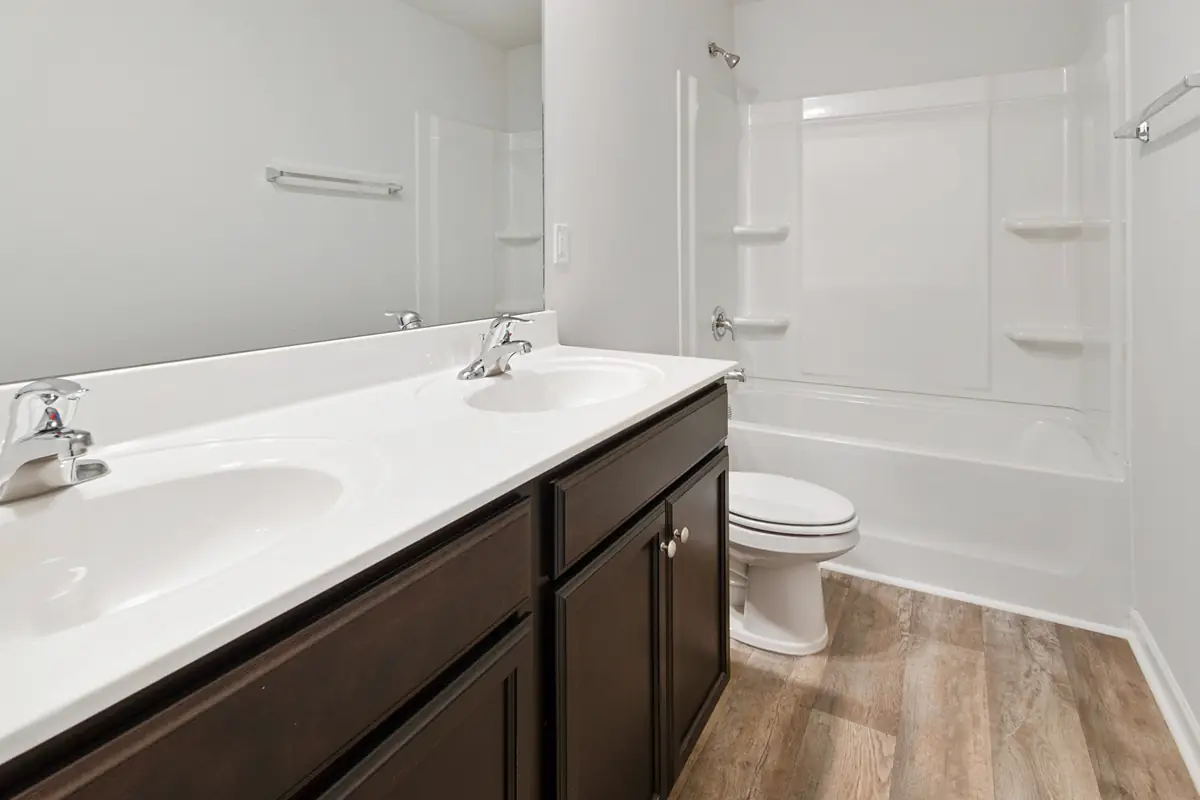
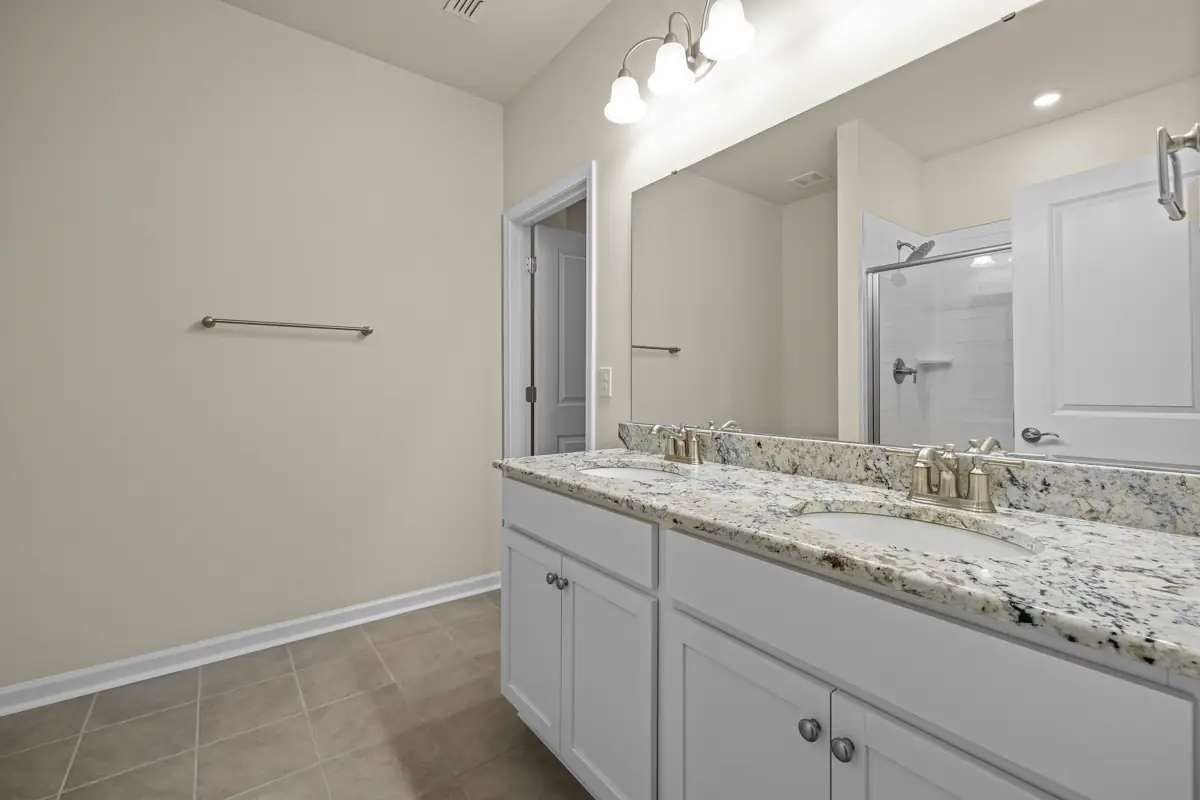
Bathroom remodels are more likely than simple finish work to involve permits because bathrooms combine water, electrical, ventilation, and wet-area construction in a small space.
If your question is "do I need a permit for bathroom remodel Wisconsin?", look at the work categories below. The same logic applies to a bathroom remodel permit Michigan question, though the authority and form may differ.
Bathroom work that often triggers permit review
| Bathroom work | Why it may trigger permits or inspections |
|---|---|
| Moving a toilet, tub, shower, or vanity | Changes drains, vents, water supply, or fixture locations |
| Adding a bathroom | Adds plumbing fixtures, ventilation, electrical, possible structural work, and possibly septic/sewer review |
| Tub-to-shower conversion | May change drain, valve, waterproofing, ventilation, accessibility, and electrical clearances |
| Tile shower rebuild | Wet-area waterproofing, substrate, drain, pan, inspections, and structural support may matter |
| Curbless shower | Floor recessing, slope, waterproofing expansion, drain location, and framing may be involved |
| New bath fan or duct route | Mechanical/electrical work and exterior termination may be involved |
| New outlets or lighting | Electrical permit/licensing/inspection may apply |
| Heated floor | Electrical work and floor assembly coordination |
| Moving walls or doorways | Structural, framing, electrical, and sometimes accessibility/safety issues |
| Repairing rotten subfloor | May become structural repair rather than finish flooring |
| Adding laundry in or near bath | Plumbing, electrical, mechanical venting, drainage, and possibly septic capacity |
| Bathroom in basement or attic | Ceiling height, egress, ventilation, plumbing, pumps, fire/safety, and finished-space rules may apply |
Bathroom work that may be cosmetic, depending on locality
- Painting
- Replacing a mirror
- Replacing towel bars and accessories
- Swapping a vanity top without plumbing changes
- Replacing flooring finish only, if no structural or wet-area assembly is changed
- Replacing hardware
- Minor drywall patching outside wet areas
Do not assume "same location" automatically means no permit. Milwaukee's homeowner guidance, for example, distinguishes fixture replacement without altering water supply/distribution, sanitary drainage, or vent systems from other plumbing work, and says all other plumbing work requires a permit. City of Milwaukee Homeowner Resources
Why bathroom permits are not just paperwork
A bathroom permit can matter because hidden work is covered quickly. Once tile, flooring, and drywall are installed, nobody can easily see the shower pan, wiring, drain, fan duct, or subfloor repair. Permit inspections help verify the work before it disappears.
That is especially important for:
- tile showers
- bathroom additions
- basement bathrooms
- older homes
- lake homes and cabins
- rentals
- bathrooms over finished living space
- bathrooms with previous water damage
- work performed while the owner is out of town
Kitchen Remodel Permit Triggers in Wisconsin and Michigan
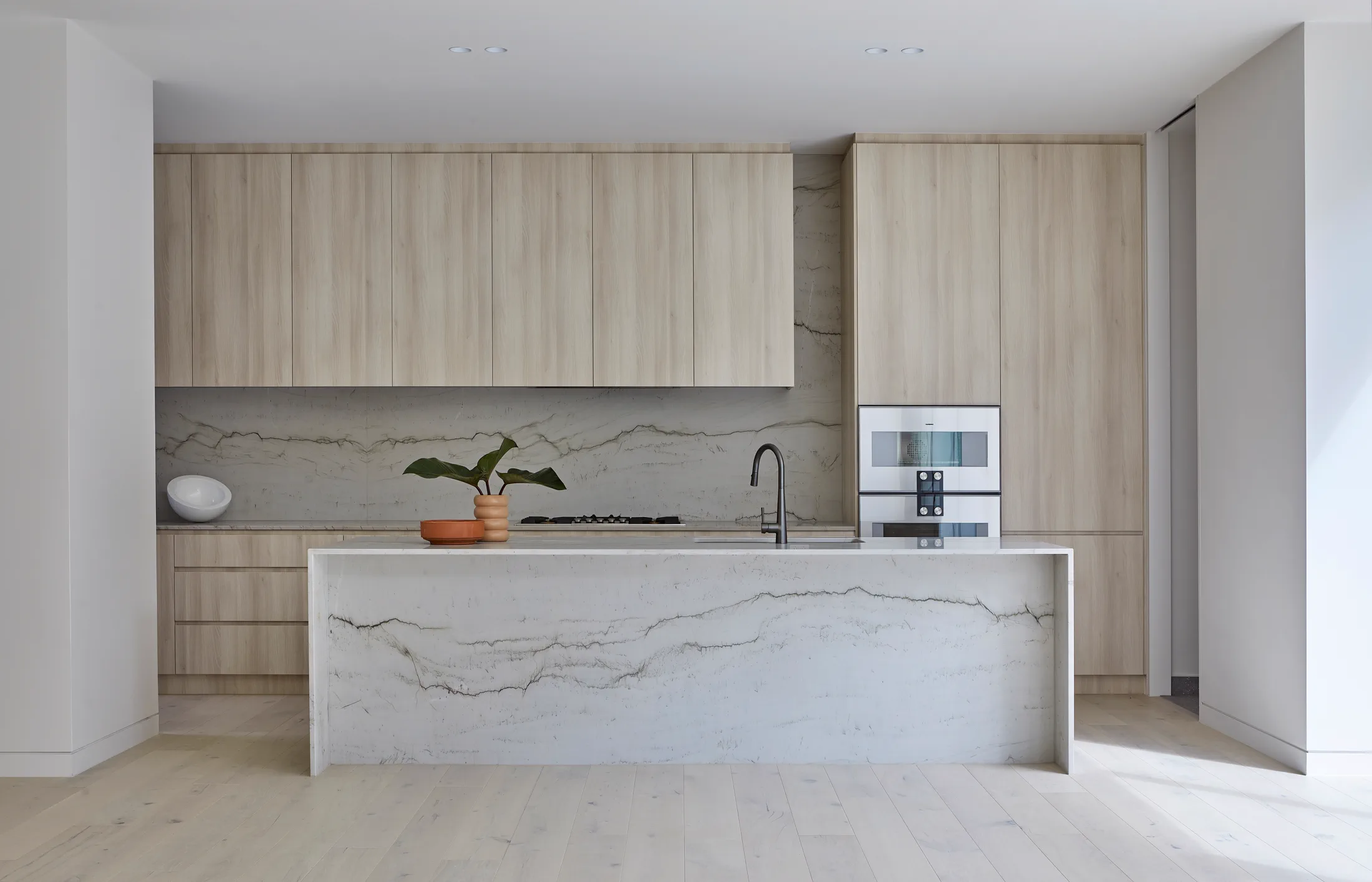
Kitchen remodeling can look simple from the outside: cabinets, counters, backsplash, flooring, appliances. But kitchens often involve plumbing, electrical loads, gas lines, ventilation, structural walls, windows, and sometimes exterior openings.
For a kitchen remodel permit Wisconsin question, the first distinction is whether the project is a cosmetic cabinet/counter update or a layout-and-systems remodel. For Michigan, the same logic applies, but LARA or the local enforcing agency may be part of the process.
Kitchen work that often triggers permit review
| Kitchen work | Why it may trigger permits or inspections |
|---|---|
| Moving the sink | Plumbing supply, drain, vent, cabinet layout, possibly exterior wall considerations |
| Adding dishwasher/disposal/ice maker line | Plumbing and electrical may be involved |
| New circuits or outlets | Modern kitchens often need electrical updates, GFCI/AFCI context, dedicated circuits |
| Moving range, oven, microwave, or refrigerator | Electrical, gas, ventilation, and appliance-clearance issues |
| Installing a new range hood or exterior-vented hood | Mechanical venting, exterior penetration, makeup air questions in some scopes |
| Removing wall between kitchen and dining/living | Structural review, beams, posts, footings, electrical relocation |
| Enlarging a window or exterior door | Header, structural framing, exterior weatherproofing, possible zoning/historic review |
| Adding island with sink or outlets | Plumbing, electrical, floor penetrations, inspection access |
| Reworking pantry, laundry, mudroom, or entry near kitchen | Building, electrical, plumbing, ventilation, and layout changes may be involved |
| Basement kitchen, second kitchen, or rental unit | Zoning, occupancy, egress, fire separation, plumbing, electrical, and local rules may apply |
Kitchen work that may be cosmetic, depending on locality
- Replacing cabinet doors
- Replacing cabinets in the same location without plumbing/electrical/wall changes
- Replacing countertops without sink/appliance changes
- Painting
- Backsplash replacement without electrical changes
- Hardware and fixture finish updates
- Flooring replacement with no structural subfloor changes
Madison gives a useful example: only adding or replacing wall-mounted cabinets does not require a permit, while more extensive work may. City of Madison Permits
Why kitchen permits often appear after design begins
Kitchen projects often start with drawings and finish selections. The permit issue appears later when the design requires:
- moving plumbing across the room
- adding an island with outlets
- removing a wall
- adding a range hood through the roof or wall
- changing window size
- adding a patio door
- updating old wiring
- adding appliance circuits
- relocating gas or electric cooking
- changing a load path
A good kitchen remodel scope should flag those issues before cabinets are ordered. A cabinet plan that ignores the permit path can create delays, redesign, and change orders.

Wisconsin and Michigan Examples: Why Local Verification Matters
Permit rules are local enough that examples are useful, but dangerous if treated as universal.
| Local example | What it shows | How to use it |
|---|---|---|
| Madison, WI | Cabinet-only work may not need a permit, but bathroom alterations are listed as permit work | Confirms scope matters more than room name |
| Milwaukee, WI | Electrical work requires electrical permits; installing a kitchen or bathroom can involve plumbing permits | Confirms multiple permit types can attach to one remodel |
| Green Bay, WI | Building permits are required for most projects except purely cosmetic projects such as painting and flooring | Confirms cosmetic vs alteration distinction |
| Grand Rapids, MI | A typical bathroom remodel may require building, electrical, and plumbing permits | Confirms one remodel can require multiple permits |
Green Bay also states that all rental properties require a licensed contractor to pull the permit and perform the work. City of Green Bay: Do I Need a Permit? That is a local example, not a statewide rule for every city. But it is exactly why landlords, short-term rental owners, and second-home owners should not assume owner-occupant permit rules apply to rental properties.
The practical takeaway for homeowners in Rhinelander, Minocqua, Eagle River, Wausau, Green Bay, Milwaukee, Madison, Grand Rapids, Traverse City, Ironwood, Houghton, Marquette, or rural township areas is this: verify locally before demolition, not after the rough work is complete.
Rural Townships, Upper Peninsula Projects, Cabins, Septic, and Shoreland Issues
Kitchen and bathroom permit questions get more complicated when the home is not a standard city lot with municipal water and sewer.
Northern Wisconsin, the western Upper Peninsula, and lake-home areas often involve:
- private septic systems
- private wells
- seasonal roads
- unincorporated townships
- county zoning
- lake setbacks
- shoreland zoning
- ordinary high water mark questions
- wetlands or floodplain proximity
- older cabins with previous undocumented work
- remote ownership
- rental or short-term rental use
A bathroom remodel inside the home can still raise exterior questions if it adds fixtures, changes wastewater load, adds laundry, alters occupancy, modifies venting, penetrates the exterior, or requires exterior work near a shoreline.
Septic and wastewater considerations
If a cabin or rural home uses a private onsite wastewater system, adding a bathroom, adding laundry, converting seasonal use to heavier year-round use, or increasing guest capacity may require review. Wisconsin DSPS provides private onsite wastewater treatment system resources. Wisconsin DSPS POWTS
In Michigan, EGLE explains that onsite wastewater management is handled through local health departments under Michigan's Public Health Code framework. Michigan EGLE Onsite Wastewater Management
Do not assume that an old cabin septic system can support a new full bath, laundry, or expanded guest use. That needs local verification.
Shoreland and shoreline considerations
In Wisconsin, the DNR describes shoreland management as a state-local partnership where local communities adopt zoning ordinances to guide development near navigable lakes and rivers. Wisconsin DNR Shoreland Management Program
In Michigan, EGLE states that shoreline projects at or below the ordinary high water mark require a permit. Michigan EGLE Shoreline Protection
A kitchen or bathroom remodel may not touch the shoreline directly. But exterior vent penetrations, additions, new utility routes, drainage changes, decks, egress changes, additions, or septic work can bring zoning or environmental questions into the project. Lake-home owners should ask early.
Upper Peninsula and rural enforcement paths
For remodeling permits Upper Peninsula projects, the right contact may be a township, county, local building official, regional enforcing agency, health department, or LARA resource depending on the property and scope. Do not rely on advice from a different county or a previous owner. The western U.P. has many older homes, seasonal properties, and rural sites where the permit path needs to be confirmed before work begins.
Rental Properties, Short-Term Rentals, and Owner-Occupied Homes
A kitchen or bathroom remodel in a rental property can have a different risk profile than a remodel in an owner-occupied primary home.
Why rentals require extra caution:
- Some local owner-permit allowances apply only to owner-occupied homes.
- Rental housing may have inspection, certificate, or habitability requirements.
- Work done between tenants or guests may have tight scheduling pressure.
- A bathroom or kitchen failure can affect occupancy and income.
- Documentation matters for future disputes, insurance, resale, and property management.
- Short-term rentals may put heavier stress on bathrooms, kitchens, laundry, and ventilation.
Green Bay's local guidance is a clear example of this distinction: it says the owner who currently resides at the property can obtain permits and do their own work, while all rental properties require a licensed contractor to pull the permit and perform the work. City of Green Bay: Do I Need a Permit?
That does not make Green Bay's rule universal across Wisconsin or Michigan. It does show the question you should ask: Is this permit path different because the property is a rental, short-term rental, second home, or not owner-occupied?
What Homeowners Should Ask Before Work Begins
Before you sign a kitchen or bathroom remodeling contract, ask permit questions in writing. The goal is not to slow the project down. The goal is to prevent confusion after demolition.
Ask these questions:
- Which permits are expected for this scope?
- Will this project require building, plumbing, electrical, mechanical, HVAC, zoning, or shoreland review?
- Who is pulling each permit?
- Who is responsible for scheduling inspections?
- Which work cannot be covered before inspection?
- Are drawings, layout plans, or product specifications needed?
- Does the local authority require a licensed contractor for this property type?
- Is the property owner-occupied, rental, seasonal, or short-term rental, and does that affect the permit path?
- Does the home use septic, and could the remodel affect wastewater demand?
- Are we near a lake, river, wetland, floodplain, or ordinary high water mark?
- Is the home in a historic district or subject to exterior review?
- Does the project disturb painted surfaces in a pre-1978 home?
- How are hidden conditions documented and priced?
- What happens if an inspector requires a correction?
- Will final permit approvals or inspection records be included in the closeout documents?
What the written scope should say
A practical remodeling contract or proposal should identify:
- permit assumptions
- who pulls permits
- permit fees if known, or whether they are allowance/extra
- inspection responsibility
- work excluded from the price
- licensed trade responsibility
- product allowances
- change-order process
- hidden-condition process
- documentation provided at closeout
Wisconsin DATCP's home improvement consumer guidance discusses consumer protections, home improvement law, and the Right to Cure process. Wisconsin DATCP Home Improvement Consumer Tips Michigan's Attorney General provides building and remodeling advice for homeowners, including contract-related consumer protection information. Michigan Attorney General: Building and Remodeling Advice

Why Permitted Work Helps Resale, Insurance, and Remote-Owner Confidence
Permitted work does not guarantee a perfect remodel. An inspection is not the same as full design quality control. But permits and inspections can provide a record that the work was reviewed under the applicable code process.
That record can matter later.
Resale and buyer confidence
When a buyer sees a remodeled kitchen or bathroom, they may ask:
- Was the wall removal permitted?
- Was the bathroom addition approved?
- Was the electrical work inspected?
- Was the plumbing moved legally?
- Was the basement bathroom finished with permits?
- Was the work done by qualified trades?
- Are there permit records for the addition, laundry, or second kitchen?
A permitted project gives the seller something better than "the previous owner said it was fine."
Insurance and risk
Insurance questions vary by carrier and situation, so do not assume a permit automatically decides coverage. But unpermitted plumbing, electrical, or structural work can create headaches after a fire, leak, injury, or sale. The safer planning move is to keep a clean paper trail.
Remote-owner confidence
Many lake home, cabin, and second-home owners are not present every day. For remote owners, permits and inspections are part of the accountability structure. So are photos, change orders, inspection updates, and closeout documents.
For an out-of-town owner, a good documentation package may include:
- permit numbers or application confirmation
- inspection status
- rough plumbing photos
- rough electrical photos
- fan duct route photos
- waterproofing photos
- subfloor repair photos
- product manuals
- fixture locations and shutoff notes
- final walkthrough checklist
The permit is one piece of trust. Documentation completes the picture.
Common Permit Mistakes in Kitchen and Bathroom Remodels
The same mistakes appear again and again.
Mistake 1: Treating all remodels as cosmetic
Paint is cosmetic. Moving a sink is not. Replacing cabinet hardware is cosmetic. Removing a wall is not. A project can look simple in the finished photo and still require multiple inspections behind the walls.
Mistake 2: Assuming a contractor "handles permits" without asking which ones
A contractor may mean the building permit but not plumbing, electrical, mechanical, zoning, septic, or shoreland approvals. Ask for specifics.
Mistake 3: Letting work get covered before inspection
If work needs inspection, covering it early can create expensive corrections. This matters for framing, wiring, plumbing, fan ducts, insulation, and sometimes shower assemblies.
Mistake 4: Forgetting about fan ducts
A bathroom fan or kitchen exhaust route may require mechanical or electrical work. It also may require exterior penetrations, roof/wall caps, or soffit/attic decisions. Do not leave ventilation as an afterthought.
Mistake 5: Adding fixtures without checking septic or drain capacity
A new bathroom, laundry area, dishwasher, or second kitchen can change wastewater assumptions. This is especially important for cabins, lake homes, rural properties, and older homes.
Mistake 6: Assuming rental rules are the same as owner-occupied rules
They may not be. Ask the local authority before a landlord, remote owner, or short-term rental owner pulls or authorizes permits.
Mistake 7: Hiring based only on the lowest bid
A low bid may be fine if the scope is truly small. It is not fine if the bid excludes permits, licensed trades, inspections, waterproofing, electrical upgrades, plumbing corrections, fan ducting, or hidden-condition repair.
Permit Planning Checklist for Kitchen and Bathroom Remodels
Use this before you request an estimate.
Basic project facts
- Property address and municipality/township
- County
- Wisconsin or Michigan
- Owner-occupied, rental, short-term rental, cabin, or second home
- Year built, if known
- Septic or municipal sewer
- Well or municipal water
- Lake/river/shoreland/wetland proximity
- Historic district or exterior review possibility
Bathroom scope
- Same layout or fixture relocation
- Tub replacement or tub-to-shower conversion
- Tile shower, curbless shower, or shower system
- New fan or new duct route
- New lighting or outlets
- Heated floor
- Subfloor repair
- Wall removal or door relocation
- New bathroom or laundry addition
Kitchen scope
- Cabinet-only replacement or layout change
- Sink relocation
- Dishwasher/disposal/ice maker changes
- New appliances or appliance locations
- New circuits/outlets/lighting
- Range hood or exterior vent
- Gas/electric cooking changes
- Island with electrical or plumbing
- Wall removal or opening
- Window/door changes
Contractor and permit questions
- Which permit types are expected?
- Who pulls each permit?
- Who performs licensed trade work?
- Who schedules inspections?
- What is not included?
- How are corrections handled?
- What documents will be provided at completion?
Conclusion: Ask About Permits Before You Compare Prices
If you are planning a kitchen or bathroom remodel in Wisconsin or Michigan, the permit question should come before the final price comparison. A low quote is not useful if it excludes plumbing permits, electrical work, fan routing, inspections, structural review, septic questions, or corrections required after work is opened up.
For homeowners asking "do I need a permit for bathroom remodel Wisconsin?", the honest answer is scope-based: cosmetic updates may be simple, but plumbing, electrical, mechanical ventilation, wet-room rebuilding, wall changes, bathroom additions, and rental/lake/cabin conditions can all change the permit path. The same practical logic applies to a bathroom remodel permit Michigan or kitchen remodel permit Wisconsin question.
Before work begins, define the scope, identify permit triggers, confirm who pulls each permit, and document what will be inspected before it is covered. That is how you protect the home, compare contractors fairly, and avoid turning a kitchen or bathroom remodel into a paperwork problem after the fact.
Permit prep
Bring order to the permit conversation
Permit questions should happen before demolition, not after the room is open. Use this checklist to clarify which parts of a kitchen or bathroom remodel touch plumbing, electrical, mechanical, or building work.What walls, fixtures, drains, fans, outlets, windows, doors, or appliances are moving.
Plumbing, electrical, mechanical ventilation, building/framing, tile waterproofing, cabinets, and finish work.
Municipality, township, county, or state enforcing agency contact and inspection expectations.
Permit numbers, inspection approvals, product specs, hidden-work photos, and warranty details.
Frequently Asked Questions
Do I need a permit for bathroom remodel Wisconsin?
Often yes, if the bathroom remodel changes plumbing, electrical, ventilation, walls, structure, fixture locations, or wet-room assemblies. Cosmetic work may be different. Verify with the local enforcing agency and Wisconsin DSPS/local guidance before work begins.
Do I need a permit for a bathroom remodel in Michigan?
Often yes when the project includes plumbing, electrical, mechanical ventilation, building alterations, or layout changes. Michigan LARA provides building, plumbing, electrical, and mechanical permit resources, and local jurisdictions may also be involved.
Does replacing a bathroom vanity require a permit?
A same-size vanity swap with no plumbing or electrical changes may not require a permit in some places. Moving the drain, moving supply lines, adding outlets, repairing damaged floor, or changing walls can change the answer.
Does a tub-to-shower conversion need a permit?
It often does because the project may involve plumbing, drain work, waterproofing, ventilation, electrical clearances, and inspections. The exact requirement depends on the jurisdiction and scope.
Does replacing kitchen cabinets require a permit in Wisconsin?
Sometimes no, if it is cabinet-only work in the same location. Madison, for example, says only adding or replacing wall-mounted cabinets does not require a permit, but more extensive work may. Verify locally before assuming.
Does moving a kitchen sink require a permit?
Usually it should be treated as permit-likely because moving a sink changes plumbing supply, drain, venting, and sometimes electrical or cabinet layout.
Does adding kitchen outlets require a permit?
Electrical work often requires permits or licensed electrical work, depending on the jurisdiction and property type. Verify with the local electrical inspector or state/local electrical permit guidance.
Does adding a range hood require a permit?
It may. A new exterior-vented hood can involve mechanical ventilation, electrical work, exterior penetrations, and sometimes makeup-air or code questions depending on the scope and appliance.
Can a homeowner pull their own permit?
Sometimes, especially for owner-occupied single-family homes, but the rules vary by state, municipality, property type, and trade. Rental properties and non-owner-occupied homes may be treated differently. Always verify locally.
Should I let a contractor tell me permits are not needed?
Ask them to explain why and identify the local authority they checked. If the project includes plumbing, electrical, mechanical, structural, or layout changes, get the permit assumption in writing.
What if previous work was unpermitted?
Do not ignore it. Tell the contractor and local authority what you know. The solution may involve inspection, correction, documentation, or scope changes depending on the property and work.
Are permit fees expensive?
Permit fees vary by city, township, county, scope, and permit type. The bigger cost is often not the fee itself but designing, sequencing, and correcting work properly so inspections can be passed.
Do lake homes and cabins have extra permit issues?
They can. Septic systems, wells, shoreland zoning, ordinary high water mark limits, wetlands, exterior penetrations, drainage, and seasonal access can all matter depending on the scope.
Does a bathroom fan need to vent outside?
Bathroom moisture should be exhausted outdoors, not into concealed spaces. A fan replacement or new duct route may involve electrical/mechanical permit questions depending on jurisdiction.
Why does permitted work help resale?
It creates a record that regulated work was reviewed and inspected. Buyers, appraisers, agents, lenders, or future contractors may ask about permits for added bathrooms, moved plumbing, removed walls, finished basements, and major electrical work.
Sources and Method
Prices are planning ranges, not quotes. They combine published regional benchmarks with local remodeling scope logic. Final pricing depends on site conditions, product selections, trade availability, permits, and hidden conditions found during demolition.
- Wisconsin DSPS Uniform Dwelling Code
- Wisconsin Uniform Building Permit Application
- Wisconsin DSPS online building permit system
- Wisconsin DSPS private onsite wastewater treatment systems
- Wisconsin DSPS electrical contractor guidance
- Michigan LARA building permit information
- Michigan LARA permit resources
- Michigan LARA plumbing permit information
- Michigan LARA electrical permit information
- Michigan LARA mechanical permit information
- Michigan LARA helpful information for homeowners
- City of Madison permit guidance
- City of Madison general alterations, bathrooms, and kitchens
- City of Milwaukee homeowner resources
- City of Milwaukee remodeling projects guide
- City of Milwaukee permit checklist
- City of Green Bay: Do I need a permit?
- City of Green Bay building permits and inspections
- City of Grand Rapids home renovation permits
- Wisconsin DNR shoreland management program
- Michigan EGLE shoreline protection
- Michigan EGLE onsite wastewater management
- Wisconsin DATCP home improvement consumer tips
- Michigan Attorney General building and remodeling advice