
Short answer: In 2026, a practical bathroom remodel cost in Northern Wisconsin usually falls into one of these planning bands: $5,000-$12,000 for a cosmetic refresh, $16,000-$30,000 for a same-layout full bathroom remodel, $12,000-$24,000 for a straightforward tub-to-shower system conversion, $24,000-$50,000+ for a tiled shower bathroom, $38,000-$65,000 for a same-footprint primary or universal-design bath, and $55,000-$90,000+ when the layout changes. A new bathroom addition can run $60,000-$130,000+.
This article is written for homeowners planning bathroom remodeling in Northern Wisconsin, the western Upper Peninsula, and Michigan markets where older homes, lake houses, cabins, seasonal properties, rural access, and winter weather can change the project.
Bathroom remodel cost ranges by scope
The best bathroom estimate is tied to scope. Square footage matters, but it is not the main pricing tool. A 40-square-foot hall bath can cost more than a larger room if the drain has to move, the floor is damaged, the fan route is wrong, the house is older, or the shower is tiled.
Use these planning ranges for Northern Wisconsin communities such as Rhinelander, Minocqua, Eagle River, Wausau, Ashland, Superior, Green Bay, and nearby lake-home areas; western U.P. projects around Ironwood, Gogebic County, Houghton County, and Lake Superior communities; and Michigan markets around Traverse City, Ludington, Muskegon, Holland, Grand Rapids, and Kalamazoo.
| Bathroom scope | 2026 planning range | Usually includes | Often pushes cost higher |
|---|---|---|---|
| Cosmetic refresh | $5,000-$12,000 | Paint, mirror, faucet, simple light fixture, hardware, basic vanity swap, minor flooring, trim touchups | Drywall repair, electrical updates, fan replacement, old flooring layers, plumbing changes |
| Same-layout full bath | $16,000-$30,000 | Demolition, tub or shower replacement, vanity, toilet, flooring, fan, lighting, paint, trim, plumbing and electrical updates in same locations | Rot, old valves, old wiring, poor fan route, lead-safe practices, winter access, hidden moisture |
| Straightforward tub-to-shower system conversion | $12,000-$24,000 | Remove tub, install shower base and wall system, valve updates, finish patching, basic fan review | Drain changes, glass, wall repair, floor repair, accessibility details, old plumbing |
| Tiled or accessibility-focused tub-to-shower conversion | $20,000-$38,000+ | Tub removal, waterproofed shower system, tile or upgraded surround, drain and valve work, glass or safety details | Curbless entry, floor recessing, structural repair, large-format tile, custom glass |
| Tiled shower bathroom | $24,000-$50,000+ | Waterproofed shower assembly, tile, drain, niche, glass, fan ducting, plumbing and electrical updates, subfloor review | Heated floor, bench, multiple shower heads, curbless design, older-home repair, complex tile |
| Primary or universal-design bath, same footprint | $38,000-$65,000 | Larger shower, better storage, improved lighting, upgraded fixtures, safer entry, ventilation, finish upgrade | Custom vanity, heated floor, glass, framing correction, old electrical, premium finishes |
| Primary or universal-design bath with layout change | $55,000-$90,000+ | Reworked layout, fixture relocation, larger wet area, accessibility upgrades, premium finish scope | Structural work, utility relocation, windows and doors, hidden damage, custom cabinetry |
| Bathroom addition or new bath in old space | $60,000-$130,000+ | Framing, plumbing, electrical, ventilation, finishes, permit path, possibly exterior or structural work | Septic limits, long plumbing runs, foundation, roof, site complexity, shoreland or rural access issues |
| Lake-home or cabin bath with moisture repair | Priced after investigation | Remodel plus source repair for rot, crawl-space moisture, roof or fan leaks, drainage, subfloor damage, or freeze risk | Hidden decay, mold remediation, septic review, exterior-wall plumbing, seasonal closure, remote-owner logistics |
A low quote is not automatically bad. It is dangerous when it prices the project like a cosmetic refresh but the room actually needs wet-room rebuilding. If a quote is far below the range for the scope, look for what is missing: fan ducting, waterproofing, permits, subfloor assumptions, shutoff valves, drain work, electrical updates, glass, cleanup, patching outside the room, finish allowances, or a change-order process.
Use the bathroom cost calculator the right way
Use the bathroom remodel cost calculator to place your project in the right scope before you request estimates. It works best when you already know whether you are planning a cosmetic update, a same-layout full remodel, a straightforward tub-to-shower conversion, a tiled shower rebuild, a primary-bath upgrade, or a bathroom addition.
The calculator is useful because it helps you think in categories. It does not inspect hidden moisture, confirm the fan duct route, verify subfloor condition, check the drain slope, examine old valves, evaluate the electrical panel, review septic capacity, or replace a site visit.
Before using the calculator, answer these questions:
- Are plumbing fixtures staying in the same locations?
- Is the shower a tub/shower unit, a shower system, a tiled shower, or a curbless shower?
- Does the existing fan vent outdoors?
- Is there soft flooring, staining, odor, condensation, or known water damage?
- Is the home older than 1978?
- Is there a basement, crawl space, slab, or inaccessible area below the bath?
- Is this a primary home, lake home, cabin, seasonal property, rental, or second home?
- Is the home on septic or municipal sewer?
- Do you live locally, or will this be remote-owner remodeling?
- Does the schedule need to account for winter access, rentals, guests, or seasonal shutdown?
Regional benchmarks: what the cost data says
National and regional reports can help homeowners sanity-check a quote, but they do not replace a local scope review. The 2025 Cost vs. Value Report from the Journal of Light Construction lists the East North Central regional midrange bath remodel at $24,910, national midrange bath remodel at $26,138, regional universal-design bath remodel at $40,855, regional upscale bath remodel at $78,684, and regional midrange bathroom addition at $57,427.
City views show how metro benchmarks can move. Milwaukee lists a midrange bath remodel at $29,031 and universal-design bath at $48,090. Detroit lists a midrange bath remodel at $26,941 and universal-design bath at $44,760. For Northern Wisconsin and the western U.P., rural access, older homes, lake or cabin use, moisture, septic, and winter scheduling can matter more than a metro average.
| Benchmark source | Midrange bath remodel | Universal-design bath | Upscale bath remodel | Midrange bathroom addition |
|---|---|---|---|---|
| East North Central region, 2025 | $24,910 | $40,855 | $78,684 | $57,427 |
| National average, 2025 | $26,138 | $42,183 | $81,612 | $60,645 |
| Milwaukee, 2025 | $29,031 | $48,090 | $88,844 | $64,630 |
| Detroit, 2025 | $26,941 | $44,760 | $83,518 | $60,795 |
| Northern Wisconsin or western U.P. | Must be scoped | Must be scoped | Must be scoped | Must be scoped |
What cheap bathroom quotes usually miss
A low bathroom quote is not automatically wrong. A low quote becomes risky when it prices the project like a fixture swap while expecting to rebuild a wet room. That is where homeowners get into trouble.
The cheapest number often leaves one or more of these items vague or excluded: demolition and protection, fan ducting to the exterior, waterproofing behind tile, new shutoff valves, drain work, electrical safety updates, subfloor repair, permit handling, product allowances, patching outside the room, and the process for hidden damage found after demolition.
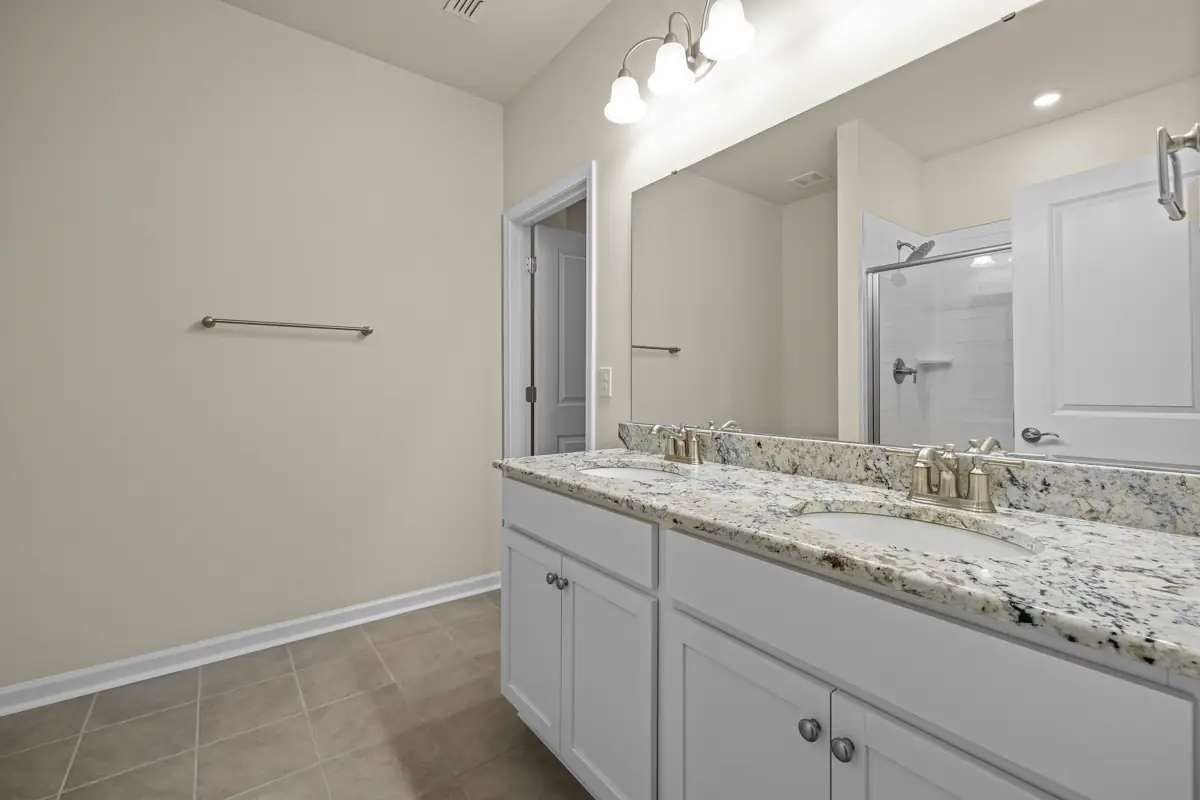
| Commonly missed item | Why it matters | Ask this before signing |
|---|---|---|
| Shower waterproofing method | Tile is not the waterproofing system | What membrane, pan, drain, wall board, curb, and niche method are specified? |
| Fan duct route | Bad venting can move moisture into attics, wall cavities, or soffits | Where does the fan terminate, and is patching included? |
| Valve and drain updates | Old plumbing can fail after finishes are installed | Are new valves, traps, shutoffs, and drain changes included? |
| Electrical safety | Older bathrooms may need GFCI, fan controls, lighting, and safe wiring updates | Who handles electrical work, and what permit path applies? |
| Subfloor repair | New finishes cannot solve a soft or damaged floor | What happens if the floor is damaged after demolition? |
| Lead-safe practices | Pre-1978 homes may require certified renovation practices when painted surfaces are disturbed | Is lead-safe work considered if the home is older than 1978? |
| Product allowances | Includes tile means very little without a budget number | What allowance is included for tile, vanity, fixtures, glass, lighting, mirror, and hardware? |
| Permit responsibility | Homeowners need to know who is handling what | Which permits may apply, and who pulls them? |
| Change-order process | Hidden damage is common in older bathrooms | How are photos, pricing, and approvals handled before extra work starts? |
| Final documentation | Helps with maintenance, resale, warranty, and remote ownership | Will we receive photos, product information, and final notes? |
The point is not to make the estimate complicated. The point is to make it clear enough that two bids can be compared honestly. If one estimate includes waterproofing, fan correction, plumbing valves, disposal, cleanup, subfloor contingency, permits, and documented change orders, and another estimate only says bathroom remodel, they are not the same bid.
Waterproofing, ventilation, and moisture control matter more than looks
Bathrooms in the Great Lakes region fail less often because of style choices and more often because of moisture mistakes. EPA remodeling guidance says ventilation is especially important in bathrooms to remove unwanted moisture and help prevent mold and mildew growth. CDC mold guidance advises keeping indoor humidity as low as possible, no higher than 50% when possible, using kitchen and bathroom exhaust fans that vent outside the home, and fixing roof, wall, and plumbing leaks.
Tile and grout are finish surfaces. They are not the complete waterproofing system. In a tile shower, homeowners should understand the wall assembly, membrane, pan, drain integration, niche treatment, curb or curbless detail, and glass-attachment plan before the room is closed up. The related walk-in shower remodel article goes deeper on shower system choices.
EPA mold guidance states plainly that the key to mold control is moisture control. That matters in bathrooms because a beautiful finish can still fail if water gets behind it, the room cannot dry, or the fan only moves noise instead of air.
Tile is a finish, not the waterproofing system
| Shower choice | Best fit | Cost and risk notes |
|---|---|---|
| Basic tub/shower unit | Budget-conscious same-layout hall bath, rental, guest bath | Less custom, often lower cost, fewer tile decisions |
| Quality shower system or panels | Tub-to-shower conversion, cabin bath, easier cleaning | Practical for durability; still needs good valve, drain, fan, and wall prep |
| Tiled shower with curb | Custom look, primary bath, higher design value | Requires waterproofing discipline, tile labor, glass planning, slope, and substrate quality |
| Low-threshold shower | Aging-in-place or easier access | Can be simpler than fully curbless but still needs careful water control |
| Curbless tiled shower | Accessibility, premium primary bath, universal design | May require floor recessing, slope, larger waterproofed area, drain changes, and more design coordination |
When a quote does not identify the waterproofing method, ask again. The answer should not be "we use tile." It should name the system and how it handles the pan, walls, drain, niche, curb, corners, and penetrations.
Bath fans must exhaust outdoors
A bath fan that only makes noise is not necessarily doing its job. The estimate should account for the fan, duct path, termination point, controls, and patching. ENERGY STAR ventilation fan guidance emphasizes performance, sound levels, and efficiency criteria for certified fans.
A useful fan line item should answer:
- Is the fan being replaced or reused?
- What CFM and sound level are planned?
- Is there a timer, humidity sensor, or separate switch?
- Where does the duct terminate?
- Is the duct insulated where needed?
- Will the termination be through roof, wall, or another appropriate exterior location?
- Is exterior patching included?
- Is old improper venting being removed or abandoned safely?
In lake homes, cabins, and older houses, the fan route can be one of the most important parts of the project. A beautiful bathroom that traps moisture is not a good remodel.
Subfloor damage changes the job
Soft flooring around a toilet, tub, or shower is not a finish problem. It is a water and structure problem. If the floor is damaged, the contractor may need to remove more flooring, inspect joists, replace subfloor, correct the leak source, and rebuild the finished floor assembly.
A good hidden-condition process includes:
- Stop work where the hidden condition affects scope.
- Photograph the condition before it is covered.
- Explain the likely cause and required repair.
- Price the repair in writing.
- Get approval before proceeding.
- Document the repair before closing the floor or wall.
That process protects the homeowner and the contractor. It is especially important for remote owners who cannot stop by the jobsite every afternoon.
Moist air starts in the wet zone, not inside the attic.
The fan has to move enough air for the room and real duct path.
Bathroom exhaust should terminate outdoors, not into cavities.
Waterproofing, heat, slope, grout, glass, and cleaning habits keep the room serviceable.
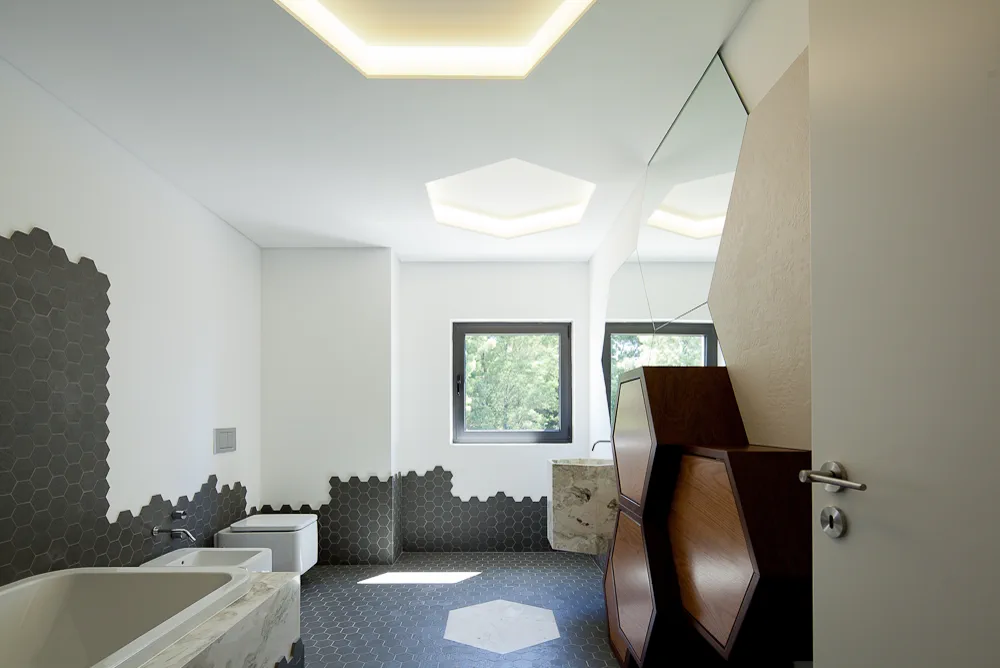
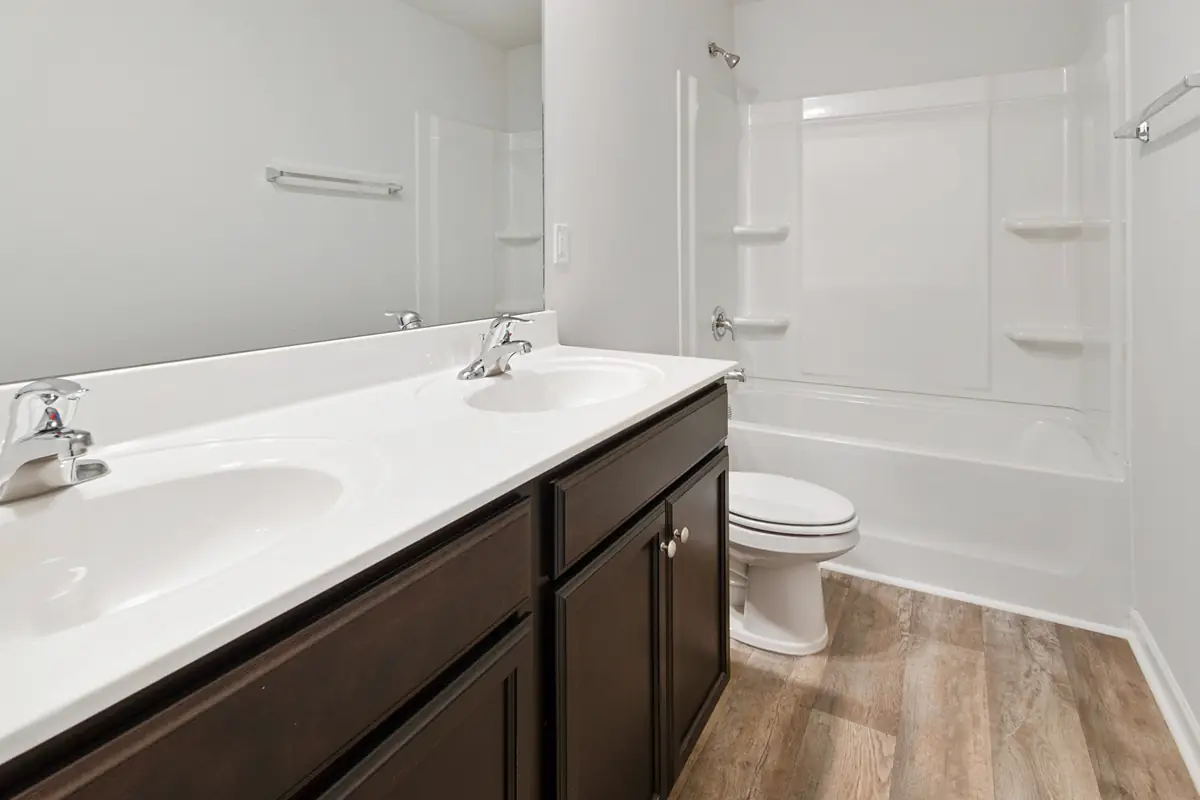
Older homes, lake homes, cabins, and seasonal properties
Bathroom remodeling in older homes, lake homes, cabins, and seasonal properties needs a different level of caution. Many of these bathrooms have been patched over time. A new vanity and tile floor may hide old plumbing, weak ventilation, rot around the toilet, an undersized fan, exterior-wall freeze risk, or a septic question.
Northern Wisconsin and nearby Michigan markets include many older, seasonal, recreational, and second-home properties. UW-Madison Extension reports that Wisconsin has more than 192,000 seasonal and recreational housing units, that 7.1% of all housing units in the state fall into that category, and that Oneida, Vilas, and Marinette counties are among the top 100 U.S. counties by total seasonal/recreational housing units.
That matters for bathroom remodeling because a Northwoods bathroom may not behave like a newer bathroom in a full-time suburban home. It may sit unused for weeks, then serve a full house of guests in one weekend. It may be above a damp crawl space. It may have plumbing near an exterior wall. It may be connected to septic. It may have a weak fan. It may have a soft floor that only shows up after demo.
For lake homes and cabins, the bathroom is often used hard during weekends and then left closed for long stretches. Wet towels, guest showers, lake humidity, sand, freezing weather, and remote ownership all affect design. If this describes the property, connect this bathroom plan with the lake house and cabin remodeling article before choosing finishes.
Old-home bathroom risk checklist
| Condition to check | Why it affects cost |
|---|---|
| Pre-1978 painted surfaces | EPA lead-safe renovation rules may apply when painted surfaces are disturbed |
| Galvanized, cast iron, or mixed-era plumbing | Repairs may expand when valves, drains, or vents are opened |
| Soft subfloor near toilet, tub, or shower | May require structural repair before finishes |
| Fan vented to attic or not vented outside | Moisture correction may require duct routing and patching |
| Out-of-square walls | Tile and glass installation can take more labor |
| Old electrical or limited circuits | Lighting, fan, GFCI, heated floor, or new fixtures may need upgrades |
| Window in wet area | May need waterproofing, trim, or layout decisions |
| Low ceiling or poor framing | May limit shower design, fan route, or lighting |
| Crawl space below the bath | Moisture, plumbing freeze risk, and access must be reviewed |
EPA's Renovation, Repair and Painting Program applies to renovation work in pre-1978 homes and child-occupied facilities when painted surfaces are disturbed.
Lake-home and cabin bathroom checklist
| Cabin or lake-home issue | Practical remodel response |
|---|---|
| Wet towels and back-to-back showers | Strong fan, timer or humidity control, towel hooks, durable finishes |
| Seasonal shutdown | Shutoff access, winterization instructions, freeze-risk review |
| Septic system | Review before adding fixtures, laundry, or sleeping capacity |
| Crawl-space moisture | Inspect below bath before investing in finishes |
| Sandy feet and lake traffic | Durable, cleanable flooring and easy-clean shower surfaces |
| Remote ownership | Photo documentation, milestone approvals, change-order clarity |
| Short-term rental or heavy guest use | Easy maintenance, durable fixtures, clear shutoffs, strong ventilation |
| Older cabin framing | Investigation before tile, glass, or curbless assumptions |
A lake house bathroom remodel should be easy to clean, easy to ventilate, and hard to damage. A cabin bathroom remodel should be honest about winter, septic, water pressure, old framing, towel drying, and the way guests actually use the property.
Lead-safe work, old valves, weak wiring, soft subfloor, plaster repair, and unknown vent routes.
Towel drying, humidity, guest load, septic limits, crawl space moisture, and shutoff access.
Freeze risk, seasonal shutdown, durable surfaces, easy cleaning, and remote-owner documentation.
Low-maintenance shower surfaces, simple hardware, safer entries, and fast cleanup between stays.
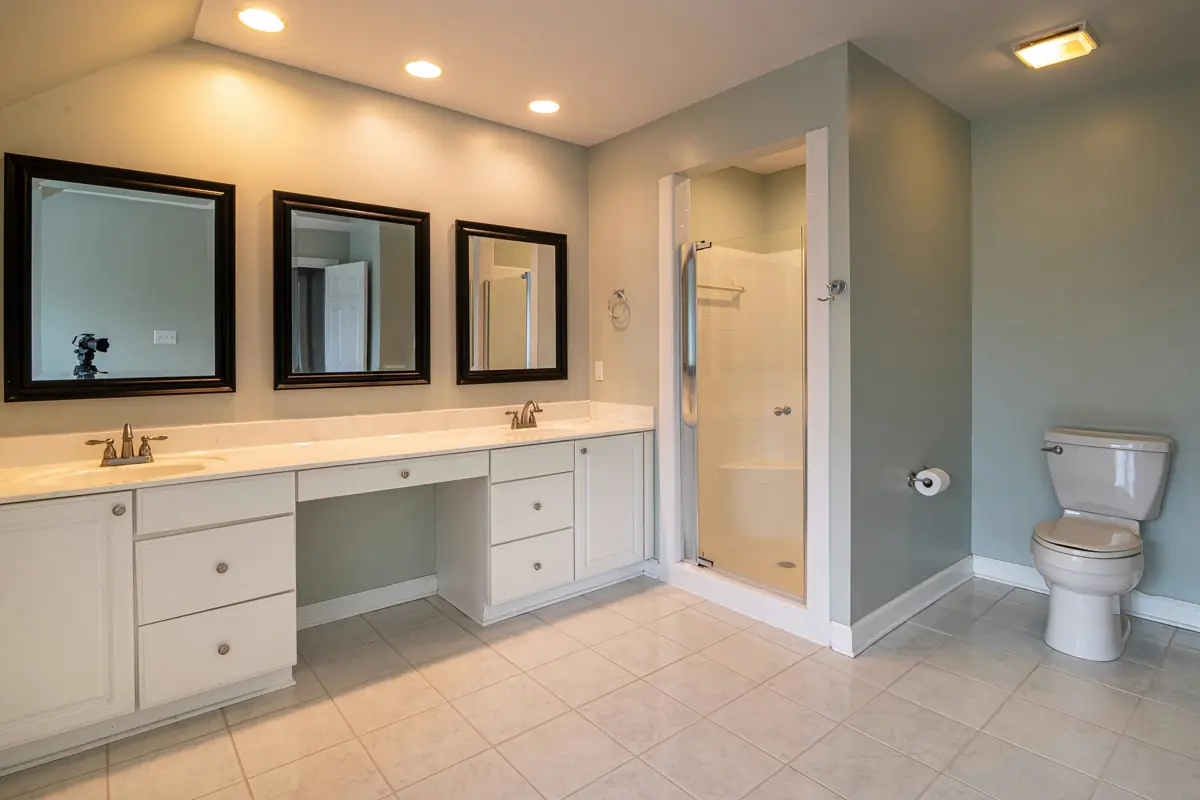
Layout choices that change bathroom cost
Layout is one of the fastest ways to change the budget. A same-layout remodel usually carries less risk than a layout-changing primary bath, but it still needs a real review of the wet wall, fan route, subfloor, electrical, and fixture clearances.
The fastest way to control bathroom remodel cost is to keep the layout. The fastest way to increase cost is to move plumbing, enlarge the room, add a tiled shower, change doors or windows, rebuild for accessibility, or add a bathroom where one did not exist.
Same-layout bathroom remodel
A same-layout remodel can still be a serious project. It may include demolition, new tub or shower, new valve, new toilet, new vanity, flooring, lighting, fan, wall repair, paint, trim, and plumbing or electrical updates. It is usually the best choice when the room works and the main problem is age, wear, moisture damage, or outdated fixtures.
Tub-to-shower conversion
A tub-to-shower conversion can be practical for aging homeowners, lake homes, guest baths, cabins, or rentals where easier entry and cleanup matter. It can be straightforward when the drain, floor, valve wall, and room dimensions cooperate. It becomes a larger project when the drain must move, the floor needs repair, the shower is tiled, or custom glass is required.
Tiled shower bathroom
A tiled shower is one of the biggest cost differences in bathroom remodeling. It can fit the room precisely and improve the feel of the bath, but it also requires more labor, sequencing, waterproofing discipline, and decisions: tile size, pattern, grout, niche, bench, curb, drain, glass, lighting, and maintenance.
Curbless or low-threshold shower
A curbless shower can be excellent for accessibility and long-term use, but it is not just a style choice. It may require lowering or recessing the floor, changing the drain, altering framing, managing slope, waterproofing a larger area, and coordinating tile layout. In an older home, this must be evaluated before assuming it is feasible.
Primary or universal-design bath
A primary bath usually costs more because expectations and scope are higher: larger shower, double vanity, lighting layers, heated floor, storage, safer access, better mirrors, linen space, and often layout changes. Universal design can add safer shower entries, blocking for future grab bars, handheld shower heads, lever handles, non-slip flooring, better lighting, and easier-to-use storage without making the room feel clinical.
| Upgrade | Usually worth considering when | Cost caution |
|---|---|---|
| Blocking for future grab bars | Walls are open anyway | Low cost now, expensive later |
| Low-threshold shower | Long-term use, guest bath, aging family | Needs water containment and slope planning |
| Curbless shower | Accessibility is a priority | Higher coordination and floor/waterproofing cost |
| Better lighting | Dark bathrooms, older users, winter mornings | Add electrical scope early |
| Handheld shower | Families, cleaning, accessibility | Valve and mounting details matter |
| Non-slip flooring | Cabin, rental, older users, lake traffic | Must pair with proper subfloor and water resistance |
| Wider doorway | Mobility planning or primary bath redesign | Can involve framing and trim work |
Bathroom addition or new bathroom in old space
Adding a bathroom is a different category. It can involve walls, floor structure, plumbing runs, drain slope, venting, electrical, fan ducting, heating, waterproofing, permits, and septic or sewer questions. If the home is on septic, do not assume the existing system can support another bathroom, laundry, or increased guest capacity without review.
Keep plumbing locations and spend on ventilation, waterproofing, fixtures, and finish quality.
Cost depends on drain position, wall repair, glass, safety details, and whether tile is used.
Requires complete substrate, membrane, pan, drain, niche, curb, slope, and glass planning.
Blocking, entry width, low-threshold design, grab bars, lighting, and shower controls matter before walls close.
Framing, utility routing, septic, ventilation, permits, and exterior work may all be involved.
Permits, plumbing, electrical, septic, and shoreland checks
Permit needs depend on the local jurisdiction and the actual scope. Plumbing, electrical, mechanical, structural, layout, fan routing, septic, and bathroom-addition work may require review. The kitchen and bathroom permit planning article explains the inspection sequence in more detail.
Permit requirements depend on state, local jurisdiction, enforcing agency, and scope. A finish-only refresh is not the same as moving plumbing, rewiring, changing structure, adding a fan duct, or creating a new bathroom. Do not rely on a generic internet answer for your exact property.
Wisconsin bathroom remodels
Wisconsin DSPS says the Uniform Dwelling Code is the statewide building code for one- and two-family dwellings built since June 1, 1980, and that the UDC is enforced in all Wisconsin municipalities. Bathroom projects can involve building, plumbing, electrical, and mechanical questions depending on scope. Wisconsin DSPS plumbing resources and POWTS resources are relevant when plumbing scope, private onsite wastewater systems, or septic questions are involved.
Wisconsin's Department of Agriculture, Trade and Consumer Protection also warns homeowners not to rely on oral agreements and recommends written contracts for home improvement work.
Michigan bathroom remodels
Michigan LARA provides building permit information and states that permit applications must be submitted to the appropriate enforcing agency. It also provides plumbing and electrical permit resources. Michigan EGLE explains that onsite wastewater management is handled through local health departments under Michigan's Public Health Code framework.
Michigan's consumer protection guidance also encourages homeowners to be careful with building and remodeling contracts and notes cancellation rights may apply in certain circumstances.
Shoreland and lake-property caution
For lake homes and cabins, the conversation may extend beyond the bathroom walls. Wisconsin DNR describes shoreland management as a state/local partnership in which local communities adopt zoning ordinances to guide development near navigable lakes and rivers. In Michigan, EGLE states that shoreline projects at or below the ordinary high water mark require a permit.
A bathroom remodel inside the house may not trigger shoreland review by itself. But if the project adds fixtures, increases wastewater demand, changes use, adds laundry, modifies exterior penetrations, affects septic, or connects to larger lake-home work, verify requirements early.
| Project change | Permit or check likely worth verifying |
|---|---|
| Paint, mirror, hardware, faucet swap only | Often simpler, but local rules still control |
| Replacing tub/shower in same location | Plumbing, fan, or inspection requirements may apply depending on scope |
| Moving drains, valves, toilet, shower, or vanity | Plumbing permit or review may apply |
| New electrical, heated floor, lighting, fan control | Electrical permit or inspection may apply |
| New or rerouted bath fan duct | Mechanical/building review may apply depending on jurisdiction |
| Removing walls or changing framing | Building permit or structural review may apply |
| Adding a bathroom or laundry | Plumbing, electrical, ventilation, sewer/septic, and building review likely need attention |
| Septic property with added fixtures or higher occupancy | Local health, POWTS, or onsite wastewater review may matter |
| Work near lake, shore, wetland, or ordinary high-water mark | Local shoreland, zoning, or state agency review may matter |
The safest wording for any bathroom article is this: permit requirements depend on scope and local authority. A responsible estimate should tell you what will be checked, not promise that permits are never needed.
Check local enforcement and Wisconsin DSPS resources for plumbing, Uniform Dwelling Code, POWTS, electrical, and mechanical assumptions.
Check Michigan LARA and the local authority before changing plumbing, wiring, fan systems, structure, or adding a bathroom.
Do not assume the existing system can handle a new bath, shower, or laundry area without review.
Lake-property projects may need extra care around setbacks, drainage, well, septic, exterior penetrations, or additions.
Winter, lake-effect snow, and remote-owner remodeling
Winter and distance can change a bathroom remodel even when the room is simple. Lake-effect snow, remote roads, frozen ground, and seasonal property schedules can affect dumpsters, deliveries, exterior fan termination, travel time, and owner decisions.
The Great Lakes region can see heavy lake-effect snow when cold air moves over warmer lake water and forms narrow bands of intense snowfall. The National Weather Service notes that lake-effect snow can produce rates of 2 to 3 inches per hour or more under certain conditions.
That matters for bathroom remodeling in Northern Wisconsin, the western U.P., and Michigan because winter affects access, parking, dumpsters, exterior fan terminations, deliveries, plumbing freeze risk, and inspection timing. A winter remodel can still make sense, but the plan should account for the property.
For lake homes and cabins, winter planning should include:
- how materials will be kept warm and dry
- how floors and entries will be protected from snow and mud
- whether the bathroom wall or floor will be opened during freezing weather
- whether water lines are in exterior walls or unconditioned spaces
- whether the fan termination can be safely completed in winter
- whether the property is occupied, seasonal, or shut down
- whether the owner is local or remote
- whether photos and milestone approvals are needed before work continues
Confirm parking, road limits, snow storage, guest dates, rentals, and seasonal shutdown needs.
Finalize vanity, tile, shower system, glass direction, fan, lighting, controls, and accessories.
Document plumbing, wiring, fan duct, blocking, waterproofing, and hidden repairs before walls close.
Record shutoffs, fan model, fixture specs, grout, sealant, care notes, and warranty information.
Remote-owner remodeling requires a stronger documentation system than a remodel where the owner comes home every night. A clear process should include:
| Remote-owner need | What the contractor should provide |
|---|---|
| Pre-demo confidence | Photos, measurements, scope, allowances, exclusions |
| Hidden-condition review | Photos before repair, explanation, written price, approval process |
| Milestone visibility | Progress photos after demo, rough plumbing/electrical/fan, waterproofing, tile, final |
| Decision control | Selection deadlines, product list, approval schedule |
| Access and security | Lockbox/access plan, site protection, water shutoff plan |
| Final handoff | Punch-list photos, final walkthrough, product data, maintenance notes |
For remote owners, hidden-condition photos are not extra. They are the record of what was fixed behind the finished bathroom.
Remote owners should ask for a clear communication rhythm before demolition starts. Photos and written approvals matter more when the owner cannot stop by after work.
What should be included in a real bathroom quote
A bathroom quote should read like a build plan. It does not need to be 40 pages long, but it should be specific enough that you can compare bids without guessing whether one contractor included work that another excluded.
| Quote item | Why it matters | Question to ask |
|---|---|---|
| Scope definition | Separates refresh, same-layout remodel, tiled shower, layout change, or addition | Are we pricing the same project in every bid? |
| Demolition and protection | Controls dust, floor damage, haul-off, access, and cleanup | Is disposal, floor protection, and daily cleanup included? |
| Hidden-condition process | Old bathrooms often hide rot, plumbing, fan, or subfloor problems | What happens if damage is found after demolition? |
| Plumbing | Valves, traps, drains, vents, supply lines, shutoffs, fixture locations | Are new valves and drain work included or allowance-based? |
| Electrical | GFCI, lighting, switches, fan control, heated floor, panel context | Who handles electrical, and are permits or inspections included where needed? |
| Ventilation | Moisture control and long-term performance | Does the fan exhaust outdoors, and is the full duct route included? |
| Waterproofing | Prevents failures behind finished tile | Which membrane, pan, board, drain, and niche method are specified? |
| Subfloor/framing | Determines whether tile, shower, and fixtures have a sound base | Is repair included, excluded, or carried as contingency? |
| Finish allowances | Tile, vanity, glass, fixtures, lighting, mirror, hardware | What dollar amount is included for each selection? |
| Schedule assumptions | Bathrooms require stacked trades in a small room | What must be selected before demolition starts? |
| Permits and inspections | Prevents confusion over responsibility | Who pulls what, and what jurisdiction is involved? |
| Exclusions | The most important part of many quotes | What is specifically not included? |
| Change orders | Protects both owner and contractor | How are price changes documented and approved? |
| Documentation | Helps with maintenance, resale, and future repairs | Will we receive photos, product info, and final notes? |
A serious bathroom estimate should make the hidden layers visible: water control, ventilation, plumbing, electrical, substrate, schedule, and documentation.
A realistic bathroom remodel timeline
A bathroom is a small room with many trades. One late fixture, one bad valve, one soft subfloor, or one missed fan route can change the schedule. A timeline should include both planning and construction, not just the days when the room is torn apart.
| Phase | Typical duration | What happens |
|---|---|---|
| Scope and site review | 1-3 weeks | Photos, measurements, existing conditions, plumbing/fan/electrical review, rough budget |
| Selections and ordering | 2-8 weeks | Tile, fixtures, vanity, lighting, fan, glass direction, flooring, hardware, long-lead items |
| Preconstruction | 1-3 weeks | Final scope, permits if required, trade scheduling, protection plan, access plan |
| Demolition and investigation | 1-3 days for simple rooms; longer if damage | Open the room, inspect floor/walls, document hidden conditions |
| Rough plumbing, electrical, and fan | Several days to 2+ weeks | Valves, drains, wiring, lighting, fan ducting, inspections where needed |
| Substrate and waterproofing | Several days to 1+ week | Subfloor, wall board, shower pan, membrane, niche, waterproofing details |
| Tile and finishes | 1-3+ weeks | Tile, grout, vanity, toilet, trim, paint, fixtures, glass, accessories |
| Punch list and documentation | 1-5 days | Final adjustments, cleanup, owner walkthrough, product info, photos |
A cosmetic refresh can move quickly. A tiled shower, curbless shower, primary bath, layout change, old-home repair, or lake-home moisture project cannot always be rushed without creating risk.
Where to save and where not to save
The safest way to lower a bathroom budget is to simplify scope. The riskiest way is to strip out the layers that protect the house.
Good places to save
- Keep the plumbing layout.
- Choose a practical shower system instead of custom tile if durability and budget matter more than a custom look.
- Use standard vanity sizes.
- Simplify tile layout and avoid complex patterns.
- Choose good midrange fixtures instead of luxury fixtures.
- Use a clear finish palette with fewer product changes.
- Decide selections before demolition so trades are not waiting.
- Keep doors and windows in place if they work.
Bad places to save
- Skipping or vaguely describing shower waterproofing.
- Venting a bathroom fan into an attic or ignoring fan routing.
- Leaving soft subfloor under new flooring.
- Reusing failing shutoffs, valves, or traps.
- Ignoring old wiring or unsafe electrical conditions.
- Covering mold, odor, or moisture without finding the source.
- Using flooring that is not suited to wet rooms.
- Installing tile over poor substrate.
- Starting demolition before selections and products are ready.
Worth pricing both ways
- Tile shower vs. quality panel/shower system.
- Custom glass vs. curtain or simpler door.
- Heated floor vs. improved ventilation and better floor material.
- Double vanity vs. better storage and lighting.
- Curbless shower vs. low-threshold shower.
- Full gut remodel vs. limited same-layout upgrade.
If the room is a lake home, cabin, or short-term rental, durability and drying ability usually matter more than delicate finishes.
Estimate prep: what to send before a site visit
A better inquiry usually produces a better estimate. Before asking for a bathroom quote, gather practical information.
Photos
Take wide shots of every wall, the shower/tub, toilet, vanity, ceiling, floor, fan, window, door, floor damage, staining, panel access, basement/crawl-space area below the bath, and exterior wall or roof area where fan ducting might terminate.
Measurements
Include room length and width, ceiling height, vanity width, tub or shower size, doorway width, window location, and any knee walls or closets.
Scope choices
Tell the contractor whether you want to keep the layout, convert tub to shower, build a tile shower, add a fan, add heated floor, add storage, add laundry, improve accessibility, or address water damage.
Home context
Share the age of the home if known, whether it is a primary home, lake home, cabin, rental, or seasonal property, whether there is a basement or crawl space, whether the home is on septic, and whether you live locally or out of town.
Budget signal
You do not need to know the final number, but give a realistic range and priorities. Say what matters most: lowest cost, durability, accessibility, moisture repair, resale, lake-home guest use, or long-term primary-bath comfort.
Timeline constraints
Mention guests, rental dates, winter travel, family events, seasonal shutdowns, or times when the property cannot be accessed.
A good contractor can do more with a clear scope and honest priorities than with a vague request for a bathroom remodel price.
Questions to ask before hiring a bathroom remodeling contractor
Ask direct questions. A serious contractor should not be offended by them.
- What bathroom scopes do you handle most often?
- Have you worked on older homes, lake homes, cabins, or seasonal properties?
- What waterproofing method do you use for tile showers?
- How do you handle a soft subfloor or hidden rot found during demolition?
- How will the bath fan be ducted outdoors?
- Who handles plumbing, electrical, and fan work?
- Which permits may be needed for this scope and jurisdiction?
- What fixture and finish allowances are included?
- What is excluded from the estimate?
- What products must be selected before demolition starts?
- How do change orders work?
- How do you protect the rest of the home?
- How will you document hidden work before walls are closed?
- What happens if the home is older than 1978?
- How do you communicate with out-of-town owners?
- How do winter access or seasonal roads affect the schedule?
- What should be fixed before we spend money on finishes?
The answers reveal whether the contractor is pricing a surface update or thinking through the room as a wet, mechanical, and structural system.
The right bathroom budget starts with the right scope
If you are planning a bathroom remodel in Northern Wisconsin, the western Upper Peninsula, or Michigan, the smartest first step is not choosing tile. It is defining the scope correctly: cosmetic refresh, same-layout remodel, tub-to-shower conversion, tiled shower rebuild, primary bath upgrade, bathroom addition, or moisture-damage repair.
Once the scope is clear, price ranges make more sense, estimates get easier to compare, and surprises get smaller. Use the calculator to choose the right planning range. Then request a scoped estimate with room photos, measurements, known problem areas, and whether this is a primary home, lake home, cabin, rental, or seasonal property.
A good estimate should help you understand the room before it sells you finishes. That is the fastest route to a quote that is realistic, useful, and worth comparing.
Bathroom estimate prep
Use this before you ask for a bathroom quote
The best bathroom leads come from homeowners who understand the room before anyone starts selling finishes. This checklist helps a Northern Wisconsin or Western Michigan homeowner request a quote that includes waterproofing, ventilation, permits, and realistic allowances.Wide shots of every wall, the vanity, toilet, tub or shower, ceiling fan, floor, and any visible damage.
Room size, ceiling height, vanity width, tub or shower size, doorway width, and window location.
Keep the layout, convert tub to shower, tile shower, fan replacement, heated floor, glass, storage, and accessibility needs.
A practical range, must-haves, nice-to-haves, and where you do not want the project to drift.
Frequently Asked Questions
How much should I budget for a bathroom remodel in Northern Wisconsin?
Most professional same-layout full bathroom remodels in Northern Wisconsin should be planned around $16,000-$30,000. Tiled shower bathrooms often run $24,000-$50,000+, while primary baths, universal-design baths, layout changes, bathroom additions, and older-home repairs can run much higher.
What is a realistic bathroom remodel cost in Michigan?
A Michigan bathroom remodel can range from a $5,000-$12,000 refresh to $16,000-$30,000 for a same-layout full bath, $24,000-$50,000+ for a tiled shower bathroom, and $55,000-$90,000+ for primary bath layout changes. Metro pricing and rural/lake-property constraints can both affect the final number.
Why do bathroom remodel quotes vary so much?
Quotes vary because waterproofing, plumbing, electrical work, fan routing, subfloor repair, tile labor, shower glass, permits, finish allowances, and hidden conditions may be included in one bid and excluded from another.
Can I remodel a bathroom for less than $15,000?
Sometimes, if it is a cosmetic refresh or limited fixture swap with little plumbing, electrical, fan, waterproofing, or repair work. A full wet-room remodel below that number should be reviewed carefully for missing scope.
What is the biggest bathroom remodel mistake?
The biggest mistake is spending on visible finishes while underfunding waterproofing, ventilation, drain work, subfloor repair, and electrical safety. Those hidden layers protect the home.
Does a tile shower always cost more?
Usually, yes. A tile shower needs proper substrate, waterproofing, pan, drain integration, tile labor, grout, often glass, and more detailing than a basic shower system.
Is tile waterproof?
No. Tile is a finish surface. The waterproofing system behind the tile protects the structure. Ask what membrane, pan, drain, wall board, and niche details are being used.
Do I need a permit for a bathroom remodel in Wisconsin?
It depends on the jurisdiction and scope. Plumbing, electrical, mechanical, structural, or layout changes may require permits or inspections. Check with the local enforcing agency and relevant Wisconsin DSPS guidance before work starts.
Do I need a permit for a bathroom remodel in Michigan?
It depends on scope and location. Michigan LARA provides building, plumbing, and electrical permit resources, and local jurisdictions may be involved. Verify before changing plumbing, wiring, fan systems, structure, or adding a bathroom.
What should I know about bathroom remodeling in a lake home or cabin?
Plan for moisture, ventilation, towel drying, septic capacity, freeze risk, easy cleaning, durable flooring, closed-up humidity, and remote ownership. Lake homes and cabins often need more moisture control than a typical full-time home.
Can I add a bathroom to a cabin with a septic system?
Maybe, but the septic system, local rules, fixture count, water use, and seasonal occupancy assumptions need to be checked. Do not assume the existing system can handle a new bath, shower, or laundry area.
How long does a bathroom remodel take?
A cosmetic refresh may take days. A full bathroom remodel often takes several weeks after selections and materials are ready. Tiled showers, layout changes, permits, inspections, hidden damage, custom glass, and winter access can add time.
Should I choose a shower system or tile shower?
Choose based on budget, maintenance expectations, design goals, and durability. A high-quality shower system can be practical and easier to clean. A tile shower offers more design flexibility but costs more and requires excellent waterproofing.
What should a bathroom quote include?
It should include demolition, protection, plumbing, electrical, ventilation, waterproofing, substrate repair assumptions, finish allowances, permits, exclusions, change-order process, schedule assumptions, cleanup, and documentation.
How do I reduce bathroom remodel cost without creating problems?
Keep the layout, choose practical fixtures, avoid custom tile complexity, use standard vanity sizes, select products early, and simplify finishes. Do not cut waterproofing, fan ducting, electrical safety, or subfloor repair.
Should I remodel a bathroom before selling?
It depends on the home, market, and bathroom condition. Function, cleanliness, ventilation, and obvious water damage often matter more than luxury finishes. Talk with a local real estate professional before overspending purely for resale.
What makes a cabin bathroom remodel different?
A cabin bathroom may face seasonal shutdown, freeze risk, septic limits, heavy guest use, wet towels, lake humidity, and remote ownership. It should be designed for drying, durability, easy cleaning, and clear shutoff/maintenance access.
What should I do after using the bathroom cost calculator?
Send photos, measurements, scope notes, known damage, home age, septic/sewer context, and your must-have list. Ask for a scoped review that separates cosmetic work, wet-room rebuilding, hidden-condition risk, and optional upgrades.
Sources and Method
Prices are planning ranges, not quotes. They combine published regional benchmarks with local remodeling scope logic. Final pricing depends on site conditions, product selections, trade availability, permits, and hidden conditions found during demolition.
- 2025 Cost vs. Value Report, East North Central region
- JLC: What the Cost vs. Value numbers mean
- 2025 Cost vs. Value Report, national averages
- 2025 Cost vs. Value Report, Milwaukee
- 2025 Cost vs. Value Report, Detroit
- UW-Madison Extension: seasonal and recreational housing in Wisconsin
- Wisconsin DSPS Uniform Dwelling Code
- Wisconsin DSPS private onsite wastewater treatment systems
- Michigan LARA building permit information
- Michigan LARA plumbing permit information
- Michigan LARA electrical permit information
- Michigan EGLE onsite wastewater management
- Wisconsin DNR shoreland management program
- Michigan EGLE shoreline protection
- EPA remodeling and indoor air quality guidance
- EPA: mold, moisture, and your home
- CDC mold health guidance
- EPA lead renovation, repair, and painting program
- ENERGY STAR ventilation fan criteria
- National Weather Service: lake-effect snow safety
- Wisconsin DATCP home improvement consumer tips
- Michigan Attorney General building and remodeling advice